Bringing Home a New Puppy in Tampa's Heat? A First 30 Days Game Plan
October 5, 2026
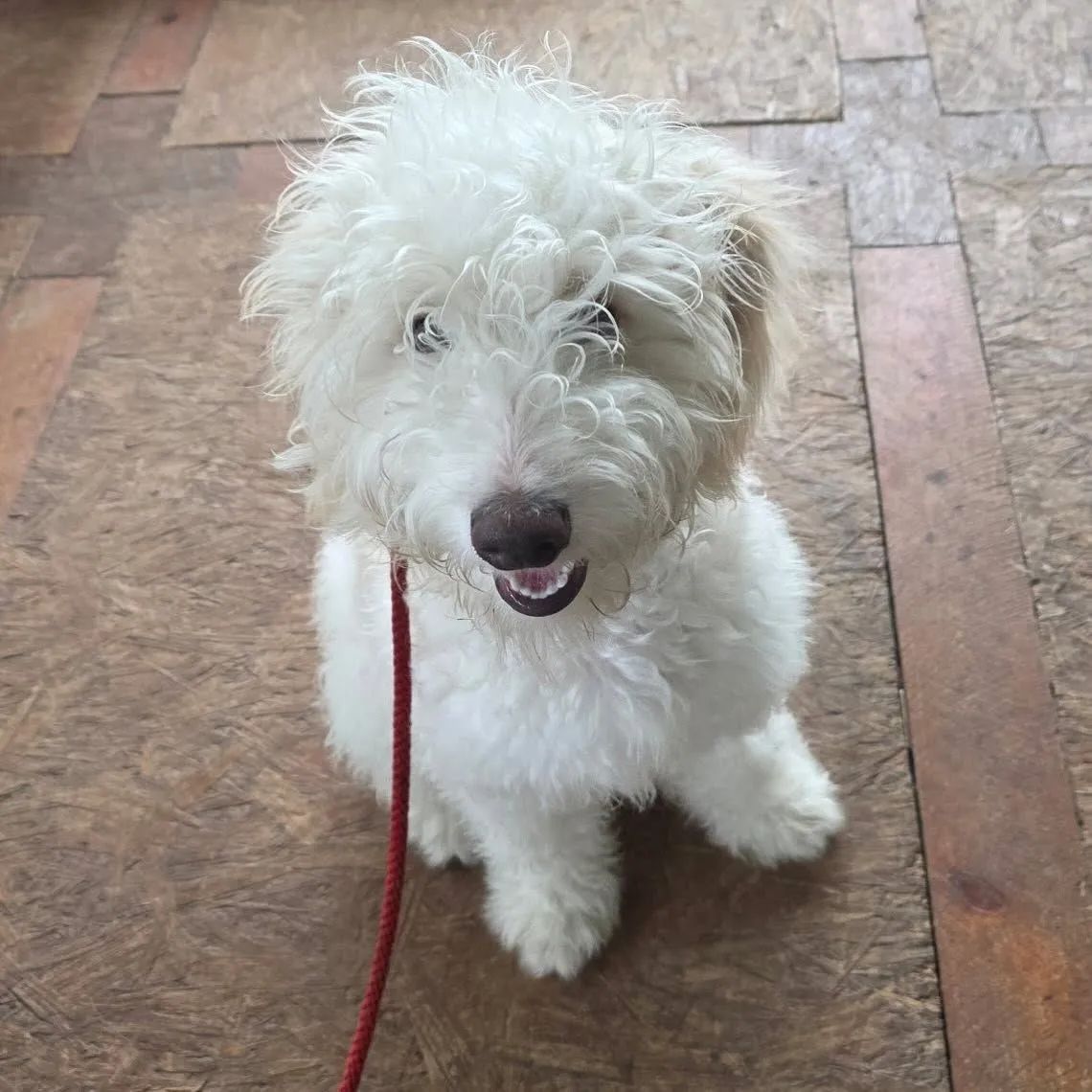
Quick Answer: The first 30 days with a new puppy go best when you build a predictable daily rhythm before you chase any fancy tricks. In week one, focus on rest, a potty schedule, and a safe space. In weeks two and three, add short training moments, gentle exposure to new sights and sounds, and calm alone time. In week four, tighten the routine and start practicing real world manners. In Tampa Bay, plan every outing around heat, humidity, hot pavement, and afternoon thunderstorms, and keep sessions short and cool.
The car door opens in your Valrico driveway and a tiny, wobbly puppy steps onto the grass for the first time. Everything looks perfect for about nine minutes. Then comes the puddle on the kitchen floor, the chewed phone charger, the midnight crying, and the sinking realization that nobody handed you a manual. Add a Florida afternoon where the air feels like a warm washcloth and the sky turns gray by four o'clock, and even confident owners start wondering what they got themselves into.
Take a breath. A puppy does not need a perfect owner. A puppy needs a predictable one. The first month at home sets the pattern for how your dog sees the house, the family, and the world outside the front door. Here is a practical plan, week by week, built for life in the Tampa Bay area.
Why the First 30 Days Matter So Much
Young puppies are learning machines. In the first few months of life, they absorb information about people, surfaces, sounds, and routines at a speed adult dogs rarely match. Veterinary behavior groups describe the early weeks as a sensitive window for socialization, which is why what happens in your home during that time carries so much weight.
That does not mean you have to cram everything into thirty days. It means you want to make good choices early so you are not undoing accidents later. A puppy that learns where to potty, where to sleep, how to settle, and that new things are safe and boring is a puppy that grows into an easy dog to live with.
As former Army K9 handlers, we think about this the way a handler thinks about any new working partner. You build trust and clarity first. Skills stack on top of that foundation. Skip the foundation and every skill wobbles.
Before You Even Pick Up Your Puppy
A smooth first night starts in the days before pickup. Set up the space ahead of time so you are not scrambling while a nervous puppy cries in your arms.
Choose A Home Base
Choose one area, such as a kitchen corner or gated hallway, for your puppy. Smaller spaces simplify puppy proofing and potty training.
Gather The Basics
Prepare a crate or pen, chew toys, fitted collar or harness, lightweight leash, food and water bowls, and pet accident cleaning supplies.
Book A Veterinary Visit
Schedule a veterinary visit to discuss vaccinations, parasite prevention, and health concerns. Florida's mosquitoes and fleas make year round prevention especially important.
Agree On The Rules As A Household
Decide couch access, training cues, feeding times, and potty responsibilities together. Consistent household rules prevent confusion and help puppies learn faster.
Week One: Settle In and Keep It Boring
The first week is not the time to prove anything. Your puppy just left everything familiar. The goal is a calm landing.
Build The Potty Routine First
Take your puppy outside after waking, meals, play, and before bedtime. Use one spot, wait quietly, then reward immediately. Clean accidents thoroughly without scolding.
Teach The Crate As A Safe Place
Feed meals near or inside the crate, add chews, and start with short stays. Keep it near family. Expect nighttime bathroom trips while bladder capacity remains limited.
Protect The Naps
Puppies need plenty of sleep. When one becomes unusually nippy, wild, or difficult, it may need rest rather than additional play, stimulation, or activity.
Keep Visitors And Outings Low Key
Introduce visitors gradually and let your puppy approach voluntarily. Too many excited strangers early can overwhelm the puppy instead of helping build confidence.
Tip: Write the potty schedule on a sticky note on the fridge and mark each success. Patterns show up quickly, and the whole family can see when the next trip outside is due.
Weeks Two and Three: Add Short, Happy Training Moments
Once your puppy knows the house and the rhythm of the day, you can start building real skills. Think in minutes, not hours. A puppy's attention span is short, and so is its tolerance for heat.
Start With Name Response And Eye Contact
Say your puppy's name cheerfully and reward eye contact. Practice this habit in different rooms and outside, creating a foundation for future training cues.
Teach Sit, Down, And Come In Tiny Pieces
Use treats to guide each behavior, mark correct responses, and reward immediately. Keep sessions short and end while your puppy remains interested and engaged.
Practice Handling
Gently touch your puppy's paws, ears, and mouth, rewarding calm behavior. Early positive handling makes grooming, veterinary visits, and nail trimming easier later.
Introduce A Leash And Collar Or Harness Indoors
Let your puppy drag a lightweight leash under supervision, then practice walking indoors. Reward loose leash moments while accepting normal pulling, tangling, and exploration.
Redirect Chewing And Mouthing
Puppies naturally explore with their mouths. Exchange forbidden objects for approved chews instead of pulling them away, and keep suitable chew toys readily available.
Tampa Bay Heat, Humidity, and Storm Season
Training advice written for a cooler climate misses something important here. Our weather changes how you plan the whole day.
Time Outings For Early Morning And Evening
Schedule walks and play during cooler morning and evening hours. Avoid midday heat, use shade, keep activities short, and bring water for your puppy.
Test The Ground With Your Hand
Check pavement and sand before walking. If surfaces feel too hot against your palm, choose grass, shaded sidewalks, or indoor activities to protect your puppy's paws.
Move Training Indoors When It Makes Sense
Practice name recognition, hand targets, sit, down, and mat settling indoors. Cool floors provide comfortable training opportunities regardless of outdoor temperatures or heat conditions.
Watch For Signs Your Puppy Is Too Warm
Stop activity if your puppy pants heavily, slows down, drools excessively, or seeks cool surfaces. Contact your veterinarian promptly if your puppy's condition concerns you.
Get Ahead Of Thunderstorms
Pair distant thunder with treats or play to create positive associations. Provide a covered crate or quiet room, remain relaxed, and never force your puppy toward noise.
Plan For Power Outages And Evacuations
Prepare water, a battery fan, and an evacuation plan before storms. Keep your puppy comfortable in a familiar crate and identify safe destinations if leaving becomes necessary.
Warning: Never leave a puppy in a parked car, even for a quick errand with the windows cracked. Temperatures inside a vehicle climb fast in Florida, and a puppy can be in danger within minutes.
Socialization Without Overwhelm
Owners often hear that socialization matters, then picture a puppy dragged into crowds and onto strangers' laps. That is the wrong picture. Good socialization is calm, controlled, and positive.
Aim For Variety, Not Intensity
Expose your puppy to surfaces like tile, grass, mulch, and carpet, plus everyday sounds. Keep exposures manageable, maintain curiosity, and reward calm behavior.
Meet A Few Well Chosen People And Dogs
Introduce your puppy to calm, vaccinated adult dogs and friendly people. Follow veterinary guidance about safe environments based on vaccination status and avoid risky locations.
Let Your Puppy Watch The World
Allow your puppy to observe people, vehicles, and movement from a comfortable distance. Quietly watching from a blanket or bench teaches relaxation without requiring interaction.
Pause If Your Puppy Shows Worry
Tucked tails, hiding, refusing treats, or freezing indicate discomfort. Increase distance, allow recovery, and choose easier experiences instead of forcing your puppy through fear.
When Another Format Might Serve You Better
How Behavior Issues Fit Into This Picture
Board and train isn't automatically the right call just because a dog has a problem. Dogs with genuine separation-related anxiety, where a dog panics, self-injures, or shuts down when left, can find the transition into a new environment adds stress rather than removing it. In that situation, an assessment first, followed by a plan built around the dog staying home, usually works better than sending the dog away.
Owners who want to learn the mechanics themselves, from the very first session, are often better served by private in-home lessons or virtual coaching. There's real value in watching a trainer read your specific dog's body language in your own hallway, rather than receiving a report on skills a dog learned somewhere else. First-time dog owners building their first real relationship with a dog sometimes get more out of that shared learning curve than out of handing the early work to someone else entirely.
None of this makes board and train the wrong choice for those dogs forever. It just means the timing or the format might need to shift.
If your dog's biggest issue is reactivity, resource guarding, or general anxiety rather than basic manners, it's worth being clear-eyed about what training can and can't do. Board and train is behavior work, not medical treatment. A structured stay can rebuild a dog's responses, reduce the intensity of a reaction, and give both dog and owner tools to manage tough moments. It isn't a cure, and any program that promises one is overselling what training does.
What a good program can offer instead is a realistic plan: a careful first assessment, a training approach matched to that specific dog rather than a one-size template, and management strategies the household keeps using long after the stay ends. For dogs with a real bite history or a diagnosed medical component to their behavior, training should run alongside guidance from your veterinarian or a veterinary behaviorist, not instead of it.
Tip: Before you book anything, test the waters. An overnight with a friend, a single boarding stay, or even a few hours away from you at a trusted sitter's house tells you more about how your dog handles separation than any intake form will.
Warning: If a program can't clearly explain how it assesses a dog before accepting a serious behavior case, or promises a permanent fix in a set number of days, treat that as a warning sign rather than a selling point.
Alone Time and Sleep
Puppies do not automatically know how to be alone. You teach it, a little at a time.
Practice Short Separations Early
Leave briefly, return calmly, and gradually increase separation time. Provide a chew or stuffed toy while keeping departures and arrivals low key.
Keep A Consistent Bedtime
Follow a predictable bedtime routine with a final potty trip, quiet time, and crate rest to help your puppy settle.
Mix Up Physical And Mental Exercise
Combine sniff walks, puzzle feeders, and food games. Mental activities provide valuable stimulation and can tire puppies without requiring lengthy physical exercise.
Week Four: Tighten the Routine and Look Ahead
By the end of the first month, you should see patterns. Maybe the potty schedule is working with fewer accidents, your puppy settles in the crate, and a few cues are showing up reliably in the kitchen.
Raise The Bar Slowly
Practice cues in familiar and new locations, gradually increasing distractions. Dogs need repetition across settings because they do not naturally generalize learned behaviors.
Start Loose Leash Habits
Begin with short walks in quiet areas and reward your puppy for staying nearby. Stop when tension appears, continuing when the leash loosens.
Review The Household Rules
Ensure everyone uses identical cues and boundaries. Consistent expectations from every family member help puppies understand behaviors faster and reduce confusion.
Plan The Next Step
Consider
puppy classes, private lessons, or structured training. Professional guidance can identify early concerns and establish better habits before small problems become routines.
Common Mistakes in the First Month
Giving Too Much Freedom Too Soon
Unsupervised puppies can chew, potty, and practice unwanted behaviors. Use gates, pens, or leashes until your puppy earns more freedom.
Skipping Naps
Overtired puppies often bite, whine, and learn poorly. Treat regular rest as essential training, helping your puppy remain calmer and more focused.
Using Punishment For Accidents Or Mouthing
Harsh reactions create fear and confusion rather than manners. Use prevention, redirection, and rewards to teach appropriate behaviors while preserving trust.
Waiting For A Problem Before Getting Help
Early training guidance prevents habits from becoming established. Waiting until six months can make problems harder to change for both you and your puppy.
Comparing Your Puppy To Someone Else's
Every puppy develops differently and needs individual support. Shy and confident puppies may require different approaches, and neither is necessarily behind.
Making the First Month Count
The first thirty days are not about creating a finished dog. They are about building habits, trust, and routines that carry you through the awkward teenage months and into adulthood. A puppy who knows where to potty, how to settle, that handling is pleasant, and that the world is mostly safe will have a big head start.
In Tampa Bay, add one more layer. Work with the weather instead of against it. Short cool sessions, shady outings, indoor practice on hot afternoons, and a plan for storm season will keep your puppy comfortable while it learns. Be patient with the accidents, celebrate small wins, and remember that you are teaching a baby animal how to live in your world.
Frequently Asked Questions
When should I start training my new puppy?
Start the day your puppy comes home. Early training means teaching the potty routine, the crate, name response, and calm handling through short, happy moments. Formal cues like sit and down can begin within the first week or two.
How often should a new puppy go outside to potty?
Very often. Puppies need a trip outside after waking, eating, playing, and before bed, plus regular trips between. Expect more frequent trips at first, then stretch the time gradually. Your veterinarian can explain what is typical.
Is it too hot to take my puppy outside in Florida?
It depends on the time, the surface, and your puppy. Early morning and evening are more comfortable. Check pavement with your hand, keep outings short, and watch for heavy panting. If overheated, move somewhere cool and call your vet.
How do I help my puppy handle thunderstorms?
Start early and keep it positive. When you hear distant thunder, play a game or hand out treats so the sound predicts something good. Offer a quiet space, stay calm, and ask a trainer if fear persists.
Can I socialize my puppy before all the vaccinations are finished?
Ask your veterinarian first. Socialization does not require public dog areas. You can introduce new people, surfaces, and sounds in controlled settings like your home and yard, and follow your vet's guidance on timing and risk.
Should I enroll my puppy in a class or hire a trainer?
Many owners find coaching helpful, especially first time dog owners. A trainer can tailor a plan to your puppy's personality, help you avoid common mistakes, and teach everyone in the home consistent cues for the months ahead.
Build Habits Now and Enjoy the Years Ahead
The first thirty days are not about creating a finished dog. They are about building habits, trust, and routines that carry you through the awkward teenage months and into adulthood. A puppy who knows where to potty, how to settle, and that handling is pleasant will have a real head start. Patience with accidents, celebration of small wins, and steady routines matter far more than any single trick learned during this early and important stretch.
Train To Sustain
has spent 15+ years helping families in Valrico, FL, raise confident, well mannered dogs, and the same lesson shows up in every household: consistency beats intensity. Short cool sessions, shady outings, indoor practice on hot afternoons, and a plan for storm season keep your puppy comfortable while it learns. Remember that you are teaching a baby animal how to live in your world, and the effort you put in now will pay off for years.