Is Board and Train Right for Your Household? An Honest Look at Who It Fits
September 30, 2026
Quick Answer: Board and train is worth it for households that need fast, consistent foundation work and a dog that already tolerates time away from home, especially when the program includes real hands-on coaching for the owner at pickup. It tends to fit less well for dogs with severe separation-related anxiety or owners who want to learn the handling skills themselves from day one. The deciding factor isn't the dog's breed or the issue on the surface. It's whether the household will keep practicing what the dog learned once the stay ends. A program without a real handoff plan rarely holds up past the first few weeks home.
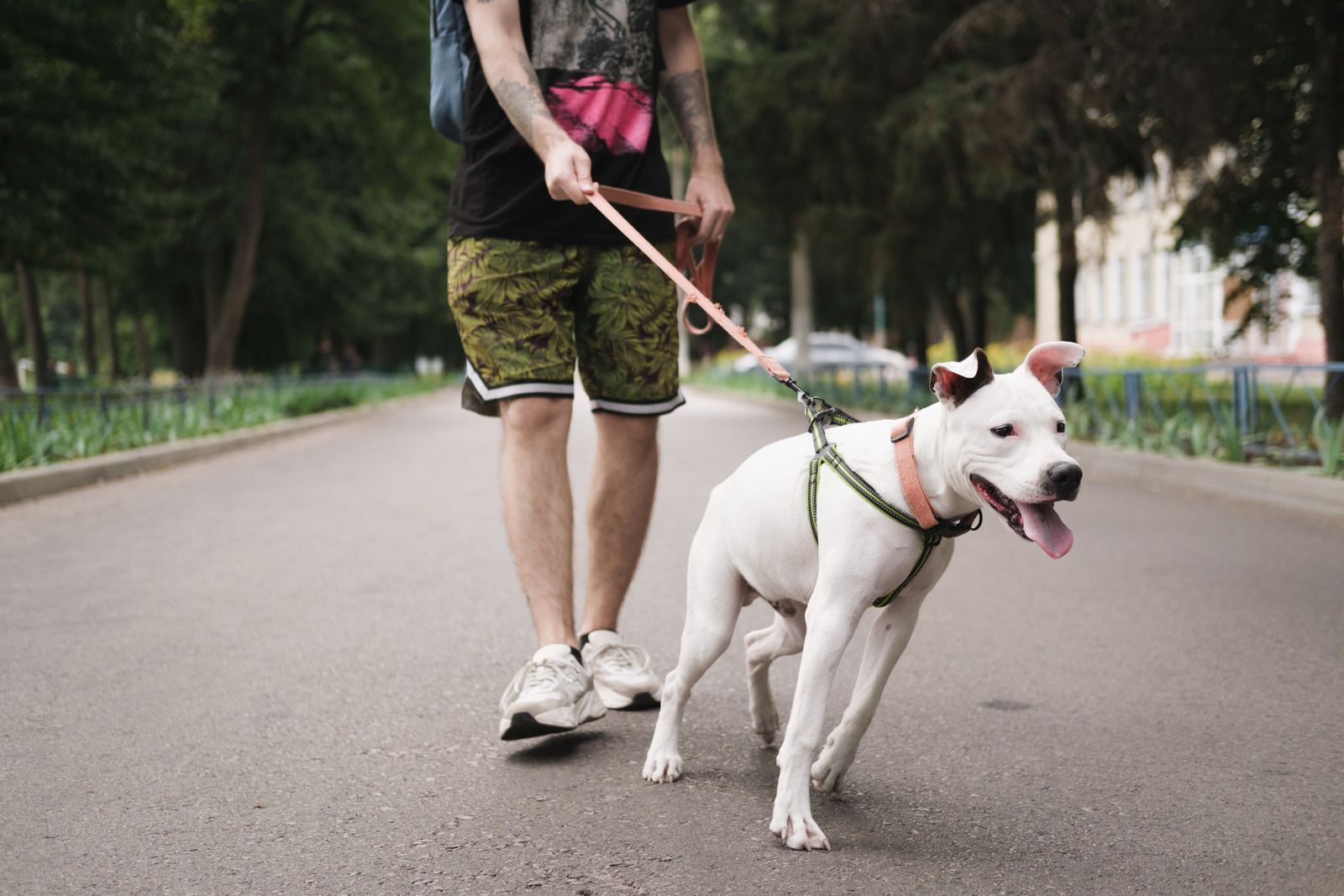
Your dog sits at the door every time you reach for a leash, and half the walk is spent untangling yourself from a dog that pulls toward every squirrel, jogger, and mail truck. You've tried the weekend workshops. You've watched the videos. Progress happens in the living room and evaporates the second you step outside. At some point, most dog owners in Valrico and around Tampa Bay ask the same question: would sending my dog away for a few weeks actually fix this, or am I just paying someone else to deal with my dog's problems for a while.
That question deserves a real answer, not a sales pitch. Board and train works well for some dogs and some households. It works less well for others. Here's what actually separates the two.
What Board and Train Actually Looks Like Day to Day
Board and train means your dog lives in a structured training environment full time, usually for a few weeks, rather than working with a trainer for an hour once a week. Some programs offer a day option instead, where your dog comes home each night after a full day of sessions. Either way, the idea is the same: instead of practicing a new skill for twenty minutes and then going back to old habits for the rest of the day, your dog practices constantly, with the same expectations enforced at every meal, walk, and rest period.
A typical day balances a few different things. There are focused obedience blocks where a trainer drills a specific skill, like a reliable "place" or a recall that holds up around distraction. There's structured play and decompression time, because a dog that never rests doesn't retain anything either. And there's real-world practice, where the dog works around the kind of noise, movement, and unpredictability it will actually face at home. Dogs that go through this kind of full-time practice tend to generalize faster than dogs working only in one quiet room once a week, simply because the number of repetitions is so much higher.
What a lot of owners don't realize going in is how much of the program is actually about them, not the dog. The stay itself teaches the dog. The handoff at the end is supposed to teach you.
The Households Where a Full-Time Stay Pays Off
Board and train tends to make the most sense for a specific set of situations. A dog that's already comfortable spending time away from you, whether that's overnight boarding, a stay with family, or a previous kennel visit, adjusts faster to a training environment than a dog experiencing separation for the first time. Households juggling long work hours, shift schedules, or a new baby often don't have thirty consistent minutes a day for practice, and a full-time program can close a gap that weekly lessons can't touch on their own.
Puppies inside their early socialization window are another strong fit. Young dogs absorb new information quickly, and shaping manners, impulse control, and confident exposure to new environments before bad habits set in tends to pay off for years afterward. Dogs that need serious distraction-proofing, the kind where "sit" works fine in the kitchen but falls apart at the dog park, also benefit from the sheer volume of real-world repetition a full-time stay provides.
And dogs with more complicated behavior histories, including reactivity toward other dogs or people, often do better with the consistency of a full-time structured setting than with once-a-week sessions that get undone by six days of old patterns in between.
When Another Format Might Serve You Better
Board and train isn't automatically the right call just because a dog has a problem. Dogs with genuine separation-related anxiety, where a dog panics, self-injures, or shuts down when left, can find the transition into a new environment adds stress rather than removing it. In that situation, an assessment first, followed by a plan built around the dog staying home, usually works better than sending the dog away.
Owners who want to learn the mechanics themselves, from the very first session, are often better served by private in-home lessons or virtual coaching. There's real value in watching a trainer read your specific dog's body language in your own hallway, rather than receiving a report on skills a dog learned somewhere else. First-time dog owners building their first real relationship with a dog sometimes get more out of that shared learning curve than out of handing the early work to someone else entirely.
None of this makes board and train the wrong choice for those dogs forever. It just means the timing or the format might need to shift.
Tip: Before you book anything, test the waters. An overnight with a friend, a single boarding stay, or even a few hours away from you at a trusted sitter's house tells you more about how your dog handles separation than any intake form will.
The Part That Determines Whether It Actually Sticks
Here's what a lot of research into board and train points to, and what we've watched play out with dogs that arrive at our facility after a rough stay somewhere else: the training itself is rarely the failure point. The failure point is the handoff.
A dog can learn a flawless "heel" in a controlled kennel environment and still drag its owner across the yard three days after coming home, not because the dog forgot anything, but because nobody taught the owner the timing, the cues, or the follow-through that keeps that skill alive. A dog only knows what it's been shown consistently. If the humans in the house go back to old habits, the dog will too.
That's why the handoff session matters as much as the stay itself. A real handoff walks every person in the household, not just whoever picked the dog up, through the exact commands used, the timing of corrections and rewards, and the daily structure that needs to continue at home. It should feel less like a report card and more like a training session where you're the student.
Consistency across the household
If one family member enforces a boundary and another lets it slide, the dog learns the rule is optional. Everyone needs the same playbook.
A realistic first few weeks home
Dogs often test boundaries once they're back in a familiar space with familiar smells and old routines nearby. That's normal, not a sign the program failed.
Follow-up access
Programs that check in after the stay, rather than disappearing once the invoice is paid, tend to produce results that hold up months later instead of weeks.
How Behavior Issues Fit Into This Picture
If your dog's biggest issue is reactivity, resource guarding, or general anxiety rather than basic manners, it's worth being clear-eyed about what training can and can't do. Board and train is behavior work, not medical treatment. A structured stay can rebuild a dog's responses, reduce the intensity of a reaction, and give both dog and owner tools to manage tough moments. It isn't a cure, and any program that promises one is overselling what training does.
What a good program can offer instead is a realistic plan: a careful first assessment, a training approach matched to that specific dog rather than a one-size template, and management strategies the household keeps using long after the stay ends. For dogs with a real bite history or a diagnosed medical component to their behavior, training should run alongside guidance from your veterinarian or a veterinary behaviorist, not instead of it.
Warning: If a program can't clearly explain how it assesses a dog before accepting a serious behavior case, or promises a permanent fix in a set number of days, treat that as a warning sign rather than a selling point.
What to Ask Before You Book Any Program
The dog training industry has no single licensing body, which means the quality gap between programs can be wide even when the marketing looks similar. A few questions cut through that quickly.
What certification does the trainer hold, and from where? Credentials like CPDT-KA, issued through the Certification Council for Professional Dog Trainers, require passing a knowledge exam covering learning theory, canine behavior, and ethical practice, plus ongoing continuing education to maintain. A trainer who can name a real credentialing body and explain what it tested is a different proposition than one who simply says "certified" without specifics.
Can you tour the facility in person? Cleanliness, supervision, rest areas, and how dogs are separated and rotated all matter more than a polished set of photos on a website.
What does a normal day actually include? You want a real answer covering training blocks, rest, play, and one-on-one time, not a vague reference to "personalized attention."
How, specifically, will you teach me the training once my dog comes home? This is the single most telling question on the list. A program without a clear answer here is a program where the results likely won't outlast the drive home.
When Another Format Might Serve You Better
How Behavior Issues Fit Into This Picture
Board and train isn't automatically the right call just because a dog has a problem. Dogs with genuine separation-related anxiety, where a dog panics, self-injures, or shuts down when left, can find the transition into a new environment adds stress rather than removing it. In that situation, an assessment first, followed by a plan built around the dog staying home, usually works better than sending the dog away.
Owners who want to learn the mechanics themselves, from the very first session, are often better served by private in-home lessons or virtual coaching. There's real value in watching a trainer read your specific dog's body language in your own hallway, rather than receiving a report on skills a dog learned somewhere else. First-time dog owners building their first real relationship with a dog sometimes get more out of that shared learning curve than out of handing the early work to someone else entirely.
None of this makes board and train the wrong choice for those dogs forever. It just means the timing or the format might need to shift.
If your dog's biggest issue is reactivity, resource guarding, or general anxiety rather than basic manners, it's worth being clear-eyed about what training can and can't do. Board and train is behavior work, not medical treatment. A structured stay can rebuild a dog's responses, reduce the intensity of a reaction, and give both dog and owner tools to manage tough moments. It isn't a cure, and any program that promises one is overselling what training does.
What a good program can offer instead is a realistic plan: a careful first assessment, a training approach matched to that specific dog rather than a one-size template, and management strategies the household keeps using long after the stay ends. For dogs with a real bite history or a diagnosed medical component to their behavior, training should run alongside guidance from your veterinarian or a veterinary behaviorist, not instead of it.
Tip: Before you book anything, test the waters. An overnight with a friend, a single boarding stay, or even a few hours away from you at a trusted sitter's house tells you more about how your dog handles separation than any intake form will.
Warning: If a program can't clearly explain how it assesses a dog before accepting a serious behavior case, or promises a permanent fix in a set number of days, treat that as a warning sign rather than a selling point.
Deciding What Fits Your Dog and Your Household
There's no universal answer to whether board and train is worth it. A dog that's ready for the format, paired with a program that treats the handoff as seriously as the stay itself, tends to come home with skills that actually hold up in your kitchen, your yard, and your neighborhood. A dog with unaddressed separation anxiety, or an owner who wants to be the one learning alongside their dog from the start, may get more out of a different starting point.
What matters most isn't which format sounds more impressive. It's an honest read of your specific dog, your household's schedule, and what happens in the weeks after the program ends.
Frequently Asked Questions
How long does a typical board and train program take?
Most programs run a few weeks, though length depends on age, temperament, and goals. Basic manners often finish faster than complex behavior histories. A trainer should give a realistic range upfront, not a fixed number.
Will my dog forget everything once we're home?
Not if the household stays consistent with the cues and structure from handoff. Dogs test boundaries in a familiar environment early on, which is normal. Skills fade fastest when people stop using them as taught.
Is board and train appropriate for a dog with anxiety?
It depends on the type of anxiety. A dog already comfortable with time away often does well with structure. A dog with severe panic may need assessment first and a plan built around staying home.
Can aggressive or reactive dogs go through this kind of program?
Many programs, including ours, work with reactive and aggressive dogs, since full-time structure often supports faster progress than once-a-week sessions. This is training, not a cure, and dogs with a bite history need veterinary guidance.
What's the difference between an in-kennel stay and a day program?
An in-kennel stay means the dog lives at the facility full time, with structure enforced around the clock. A day program means the dog comes home nightly, which some owners prefer for a young puppy.
Do puppies actually benefit from board and train, or is it better to wait?
Puppies inside their early socialization window absorb manners, impulse control, and confident exposure to new situations quickly, which is why some owners start early. A trainer should still build in rest and gentle exposure too.
The Right Decision Starts With Your Dog
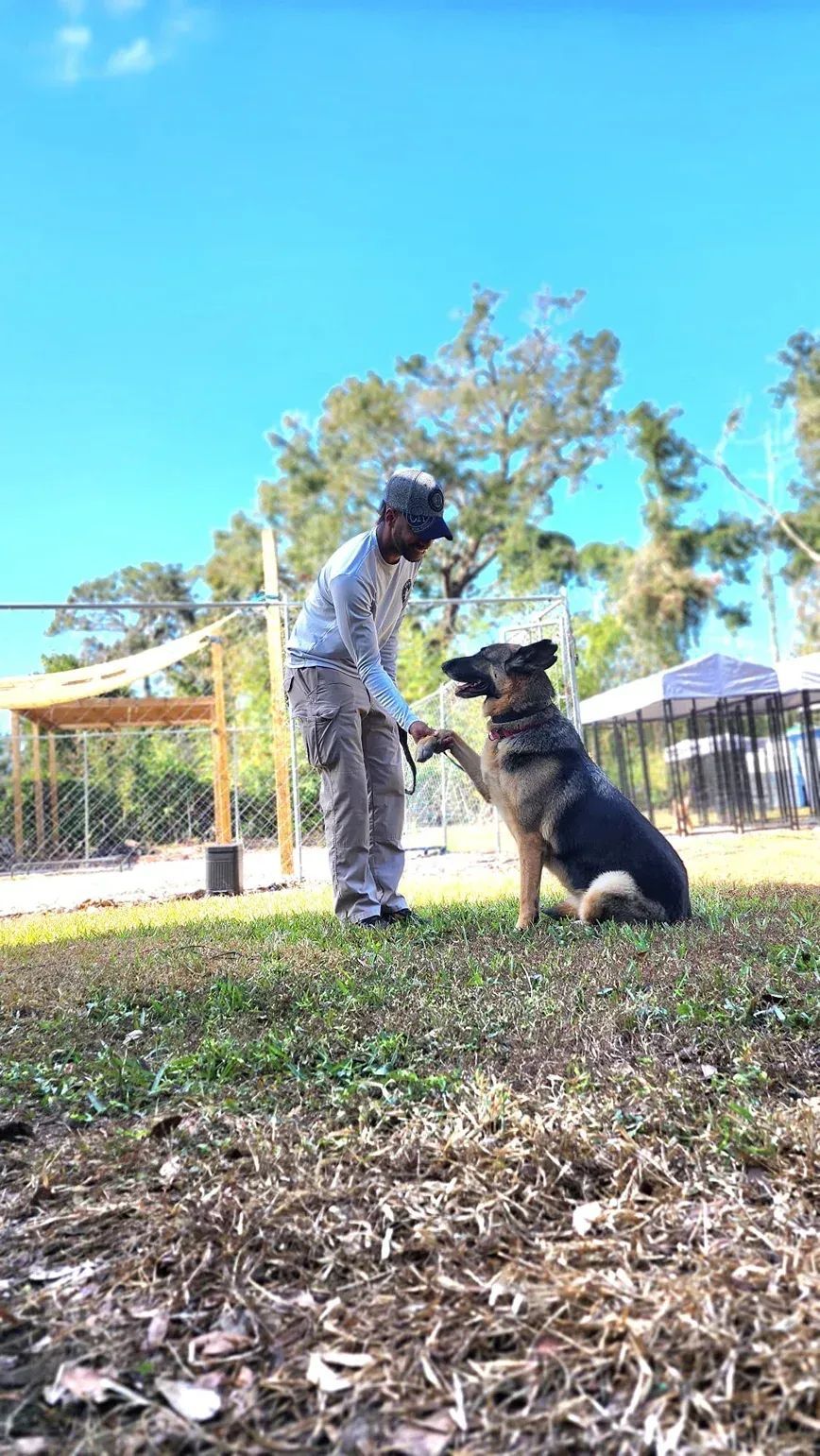
Board and train isn't a decision that hinges on breed, age, or the specific issue splashed across a training website. It comes down to whether your dog is ready for structured time away and whether your household is prepared to carry the work forward once the stay ends. Train To Sustain brings 15+ years of experience working with dogs and families throughout Valrico, FL, and that experience shapes every recommendation made before a program begins.
The right choice isn't about picking the program with the flashiest promises. It comes down to being honest about your dog's temperament, your family's schedule, and what you're willing to practice once the initial excitement of coming home fades. A dog that's ready, paired with an owner who stays consistent after pickup, tends to hold onto what it learned. That combination, more than any single method, is what determines whether the results still hold up months down the road.