Harnessing Discipline: Lessons from Dogs to Drive Business Growth
June 27, 2026

Structure and Discipline: Lessons from K9 Training
From Breakdown to Buildup
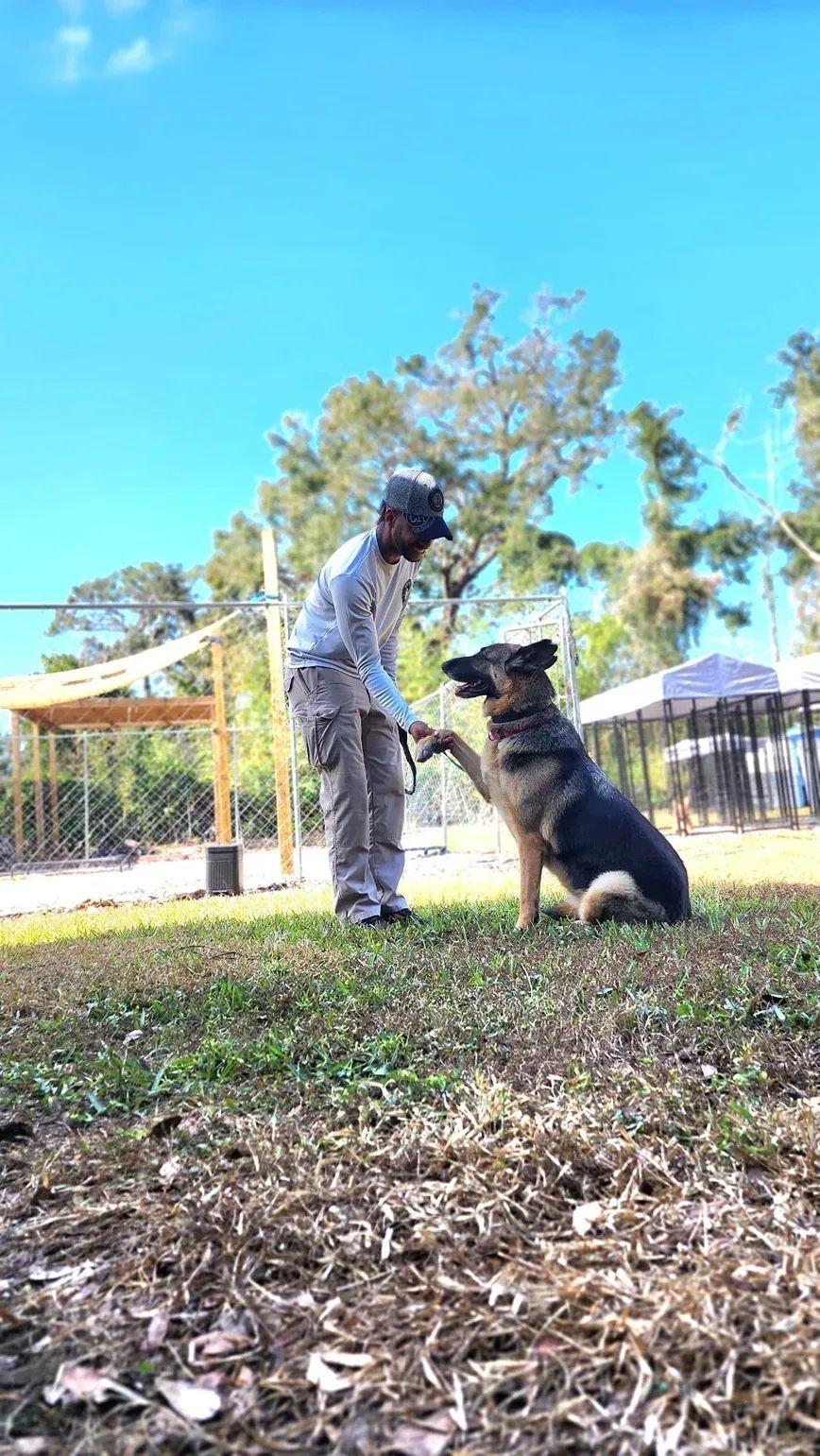
Rodney Watson, a separated military K9 handler, recently shared valuable insights about the discipline and structure required in both military service and canine behavior modification. His experience working with veterans who need assistance training their dogs reveals a deeper mission beyond simple obedience commands.
Through the training process, Rodney helps veterans rebuild structure, confidence, and habits as they transition back into civilian life. This work reflects a powerful concept: sometimes growth requires breaking down old habits before building new ones. For dog owners in the Tampa Bay area struggling with behavioral challenges, this approach offers a framework for lasting change.
The transition from military to civilian life parallels the journey many dogs and their owners experience when addressing behavioral issues. Both require patience, consistency, and a willingness to establish new patterns. Florida’s warm climate means dogs spend considerable time outdoors year-round, making proper training essential for safe and enjoyable experiences in parks, beaches, and neighborhoods throughout Valrico and surrounding communities.
The Business Opportunity in Canine Service
At first glance, canine behavior modification may seem like a niche service. However, the broader pet services industry continues to grow rapidly. Over the next decade, the pet professional market is expected to reach roughly $125 billion. This growth reflects the increasing value pet owners place on professional guidance and quality care.
With that level of expansion, the question becomes: how do professionals capture their share of the market? Passion certainly plays a role when entering the field, but passion alone rarely builds a sustainable operation. Long-term viability usually requires specialization and a clear value proposition that resonates with specific client needs.
Some examples of specialized training niches include puppy foundation work and basic manners, rehabilitation for shelter or surrendered animals, and behavioral modification for shy, anxious, or reactive dogs. Specializing in a particular area allows trainers to develop deeper skills and build a reputation within their niche. In competitive markets like the greater Tampa area, this type of focus can be a key factor in long-term success.
Local factors also influence training needs. In Valrico and surrounding Florida communities, dogs often encounter wildlife, water access points, and high-traffic outdoor areas where reliable recall and impulse control become safety priorities rather than optional skills.
The Human Side of Training
One of the biggest takeaways from conversations with experienced trainers like Rodney is the human element of canine education. While the goal may be to train the dog, the process often involves training the owner as well. Dogs thrive on consistency and clear expectations. When owners develop consistent habits and reinforce proper behavior, the results tend to follow.
Interestingly, the same principle applies in professional settings. In both cases, change can be difficult. Whether someone is building new routines as a dog owner or implementing better systems in any organization, shifting habits requires discipline and patience. The foundation of success lies not in grand gestures but in daily commitment to established protocols.
For families in the Brandon, Riverview, and Plant City areas, this consistency becomes particularly important. Multi-dog households, children of varying ages, and busy schedules can create challenges that require structured approaches. Without clear guidelines that all family members follow, dogs receive mixed signals that undermine progress.
Working with a qualified professional who understands both canine learning theory and human behavior change creates the best environment for lasting results. This dual focus separates effective programs from those that produce only temporary improvements.
Specialized Approaches for Lasting Results
Professional canine services have evolved significantly over recent decades. Modern approaches emphasize positive reinforcement, clear communication, and understanding the underlying motivations behind unwanted behaviors. This shift reflects growing research into canine cognition and learning patterns.
Effective programs address the root causes of behavioral challenges rather than simply suppressing symptoms. For example, a dog displaying reactivity toward other animals may be experiencing fear, frustration, or overstimulation. Each underlying cause requires a different intervention strategy. Qualified trainers assess individual situations and develop customized plans that address specific needs.
Boarding programs that incorporate training offer particular advantages for dogs requiring intensive behavioral work. Immersive environments allow for consistent application of protocols without the variables present in home settings. Dogs learn new patterns more quickly when they experience repeated success in controlled scenarios before gradually introducing real-world distractions.
Private lessons provide another valuable format, particularly for owners who want hands-on guidance while maintaining their dog’s routine. This approach works well for basic manners, leash skills, and foundation behaviors where owner involvement from the start creates strong partnerships. In-home sessions also allow trainers to address environment-specific challenges like door manners, boundary training, and household routines unique to each family.
Building Foundations for Long-Term Success
While this discussion has centered around the pet professional industry, the underlying lessons extend to nearly every endeavor. Clear expectations, consistent habits, and structured processes are essential for sustained progress. When leaders communicate expectations from the beginning, whether in families or organizations, everyone involved can align around shared goals.
Rodney’s work reminds us that progress often begins with breaking down old habits and rebuilding better ones. Whether addressing canine behavioral challenges, supporting veterans in their transition to civilian life, or developing any new skill set, the same principle applies: discipline and structure create the foundation for advancement.
For residents throughout the Tampa Bay region seeking professional guidance for their dogs, understanding this philosophy helps set realistic expectations. Behavioral change does not happen overnight. It requires commitment, patience, and willingness to invest time in proper foundation work. However, the results prove worthwhile when families can enjoy well-mannered companions in all aspects of daily life.
Qualified professionals bring years of experience working with diverse behavioral challenges and learning styles. They recognize patterns, anticipate setbacks, and adjust approaches based on individual responses. This expertise accelerates progress and helps owners avoid common mistakes that can inadvertently reinforce unwanted behaviors. Whether you need assistance with puppy foundation skills, behavioral modification for an adopted dog, or intensive training through a structured program, working with knowledgeable professionals who understand both canine learning and human coaching produces the most reliable outcomes. The investment in proper guidance pays dividends throughout your dog’s life, creating a harmonious relationship built on mutual understanding and respect.